
Dr. Karl Rütschi began his career at the company Müller Maschinen Fabrik, a manufacturer of industrial machinery, where he eventually became head of the pump department.
In 1945, after nearly fifteen years at Müller, he decided to establish his own company. An agreement was signed between K. Rütschi and Müller: K. Rütschi purchased Müller’s pump division and, on January 31, 1946, founded his company under the name K. Rütschi & Co.
Establishment in Brugg
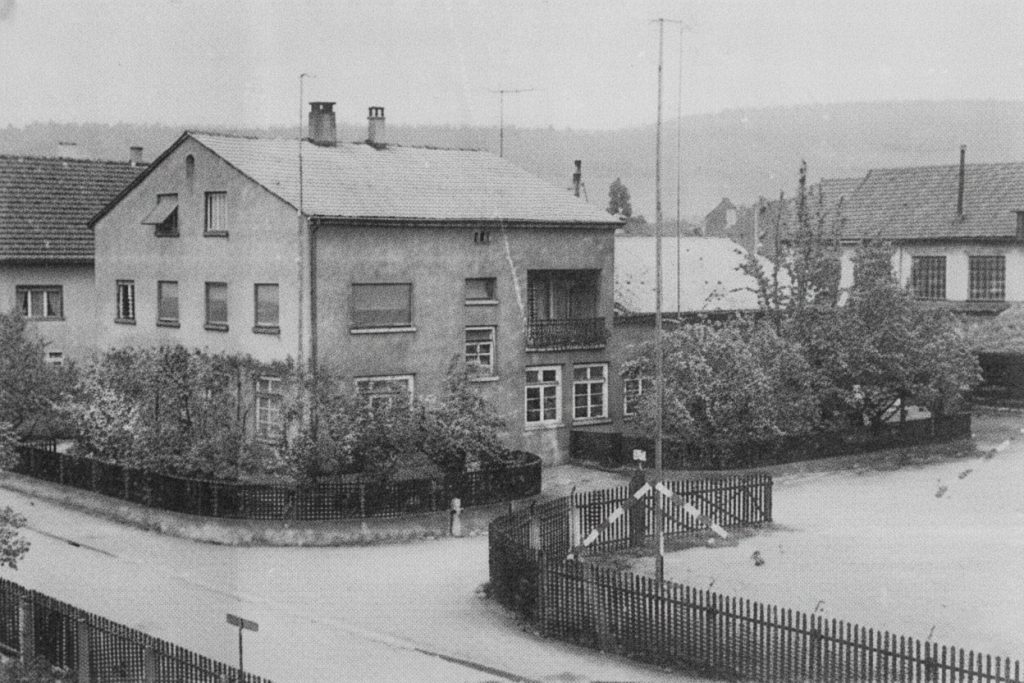
The company settled in Brugg (Switzerland), in a modest building located at 23 Zimmermannstrasse. At that time, the company employed 9 people in the offices and 15 workers in the workshops.
The period was favorable for development: in the aftermath of the war, demand was high to rebuild European countries, and unemployment was at a very low level. It was in this context that K. Rütschi & Co. began to consider a new pump technology: the canned rotor pump known as Perfecta.

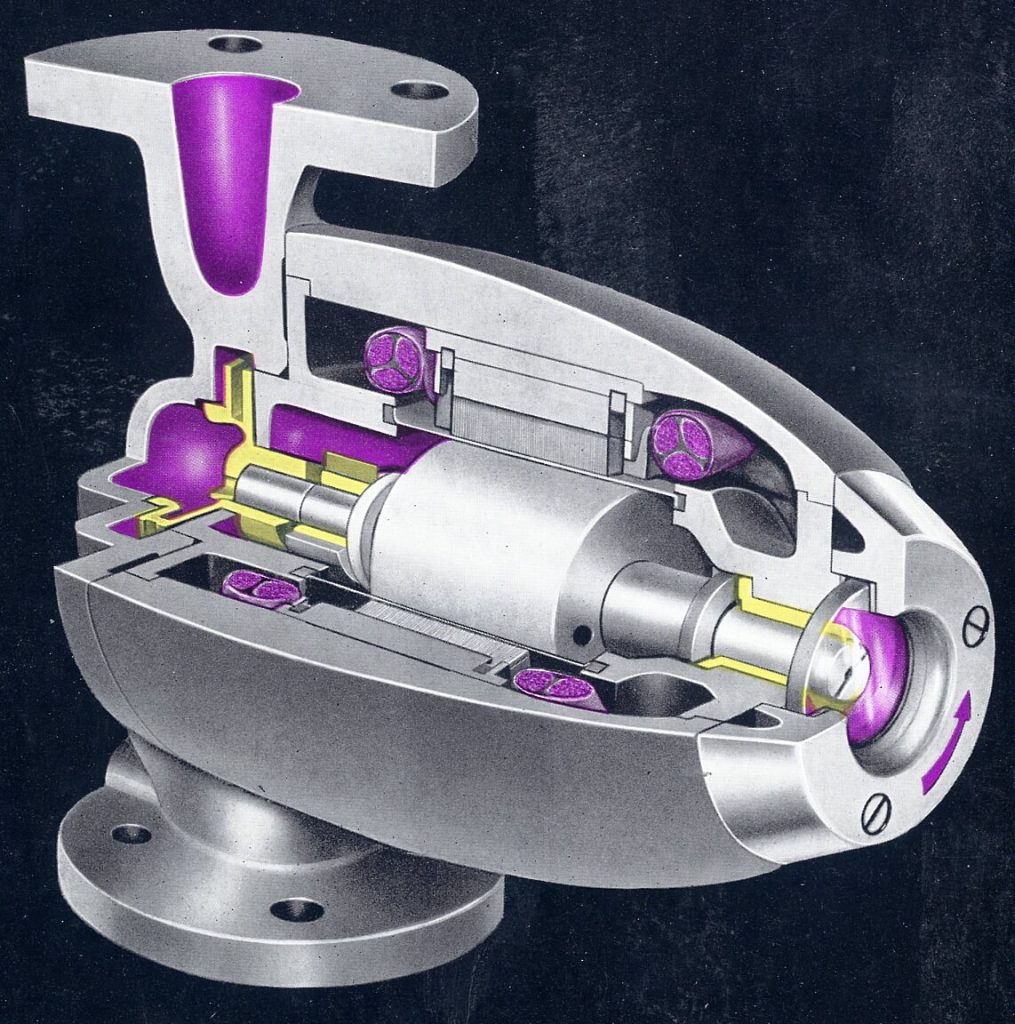
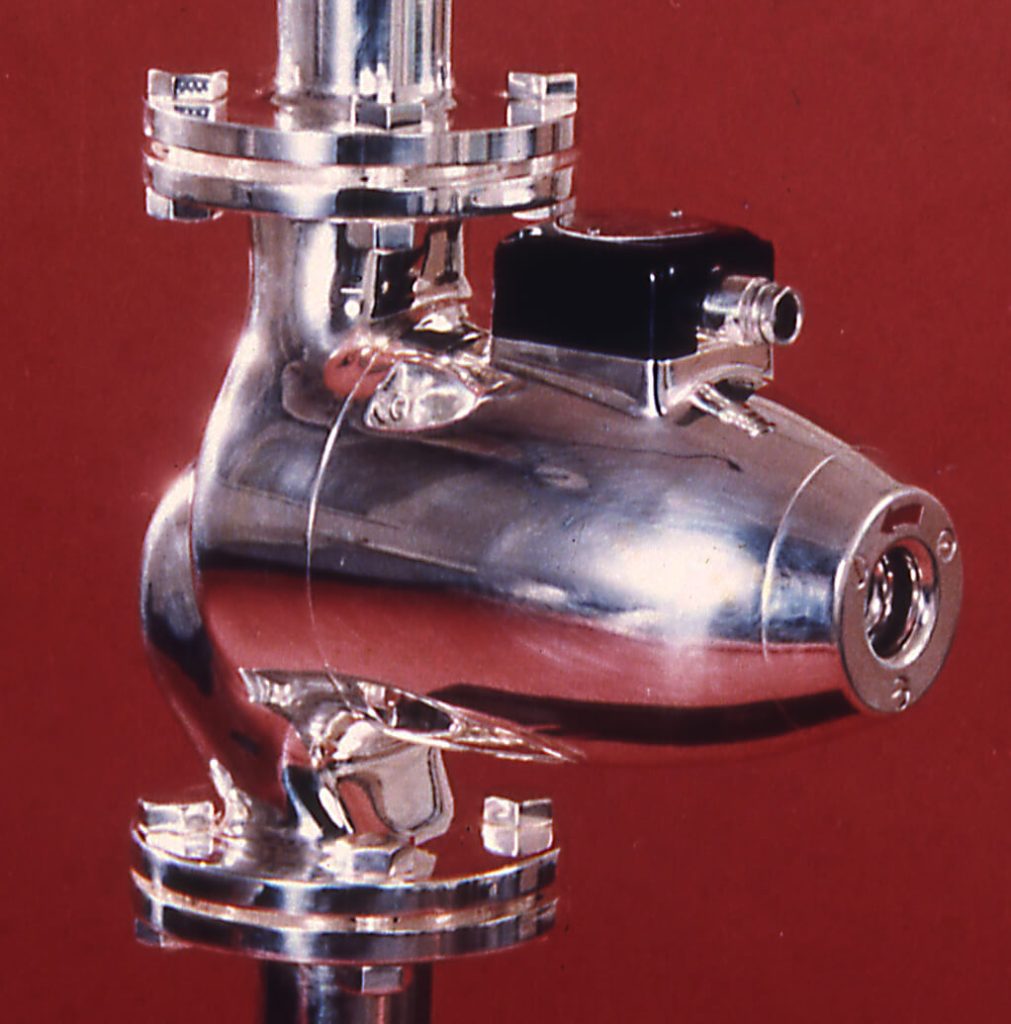
A German patent for a totally sealed pump had been filed in 1914 by Benjamin Graeminger, but the technology of the time did not allow it to be manufactured. Recognizing the strong potential of this concept, Dr. K. Rütschi revisited the idea and succeeded in developing a circulator for central heating applications in the form of a canned rotor pump.
After several years of development, the perfecta® trademark was registered in 1954, and its worldwide distribution began.
Rütschi offered licensing agreements to other pump manufacturers. perfecta® circulators were manufactured in more than 20 countries and were soon installed in the following countries: Argentina, Australia, Belgium, Denmark, the United Kingdom, Finland, France, the Netherlands, Iceland, Israel, Italy, Japan, Luxembourg, New Zealand, Austria, Portugal, Sweden, Switzerland, Spain, and the United States.
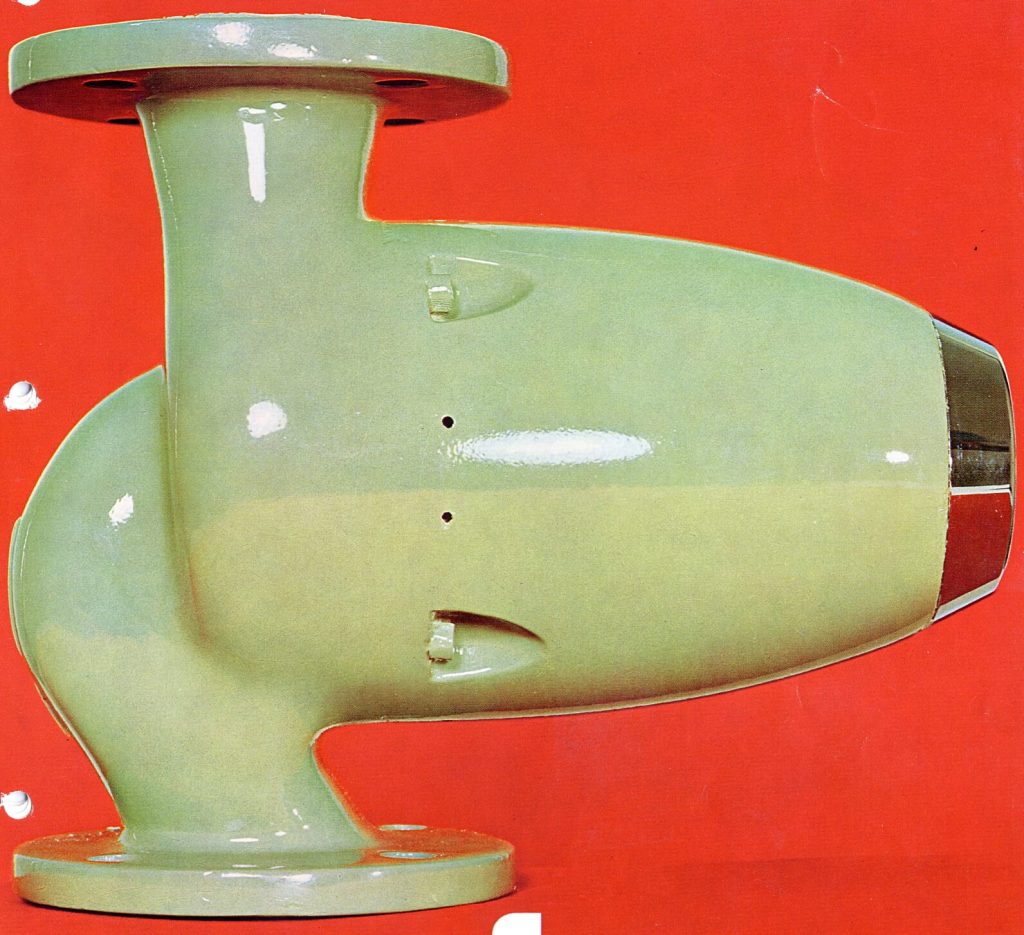
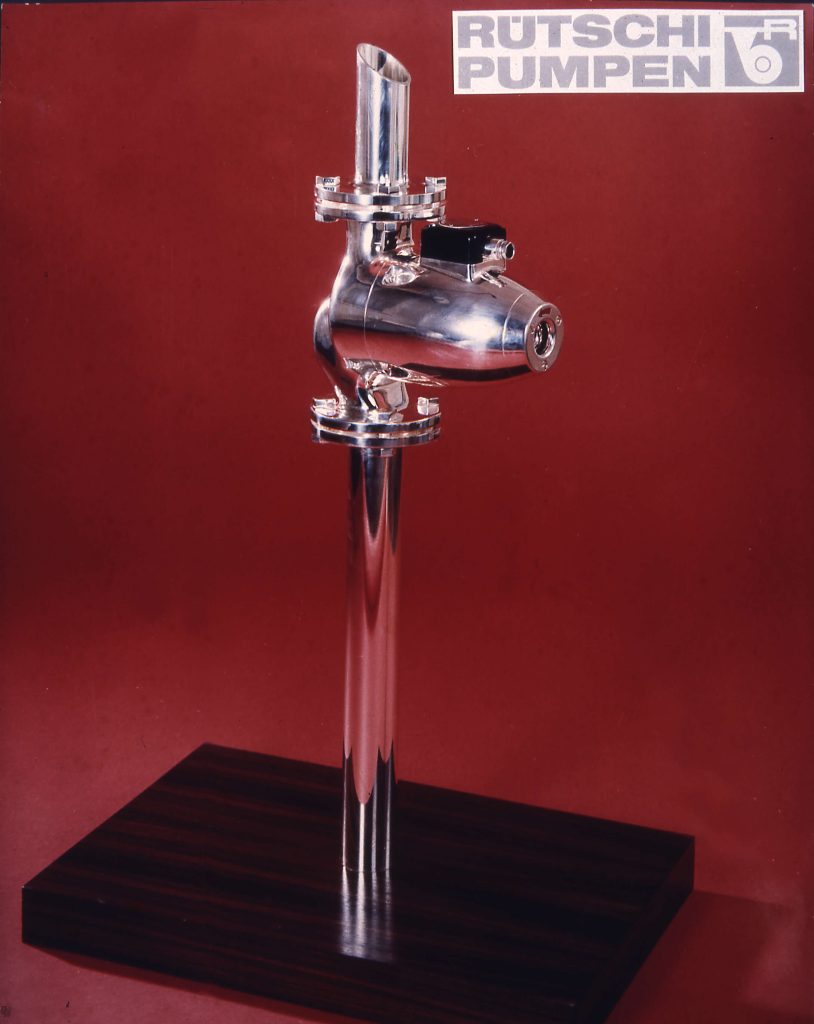

This small pump became the basis for all canned rotor pumps developed by the company for industrial applications. Thanks to this canned rotor technology, Rutschi succeeded in producing a compact pump with absolute tightness, minimal maintenance requirements, and maximum reliability. It quickly appealed to industrial customers for particularly demanding processes in the chemical, petrochemical, pharmaceutical, and nuclear sectors.
As the icing on the cake, in addition to its robustness, the perfecta® received the iF Design Award six times between 1957 and 1964 for its innovative design.