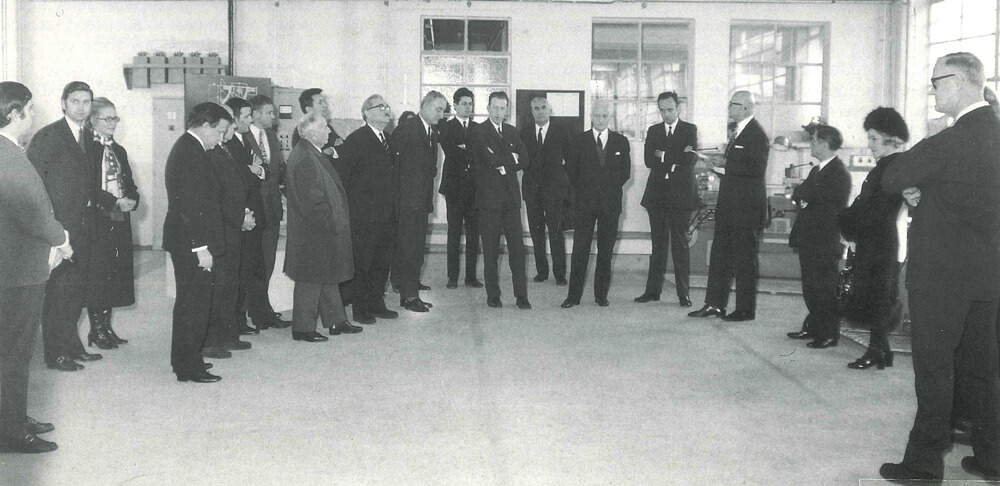
Until 1970, all Rütschi activities were exclusively located in Switzerland, at the historic Bugg factory. Things changed with the opening of a French subsidiary in Illzach, near Mulhouse. In July 1970, Pompes Rütschi SA was established with the objective of expanding opportunities within the EEC markets.
From Mulhouse, French subsidiaries of Basel-based chemical companies would now be able to purchase their pumps directly in France.
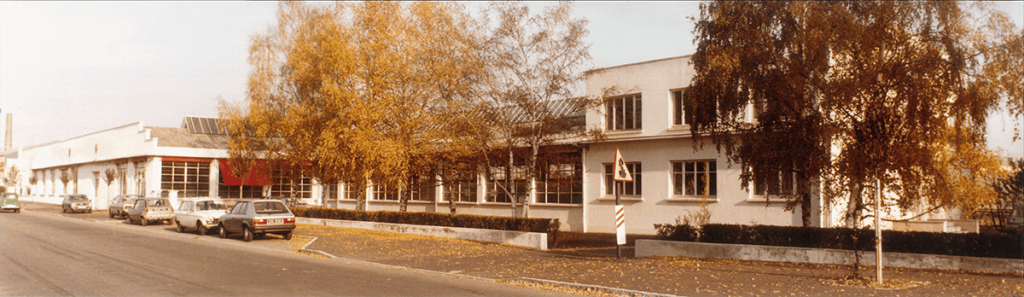
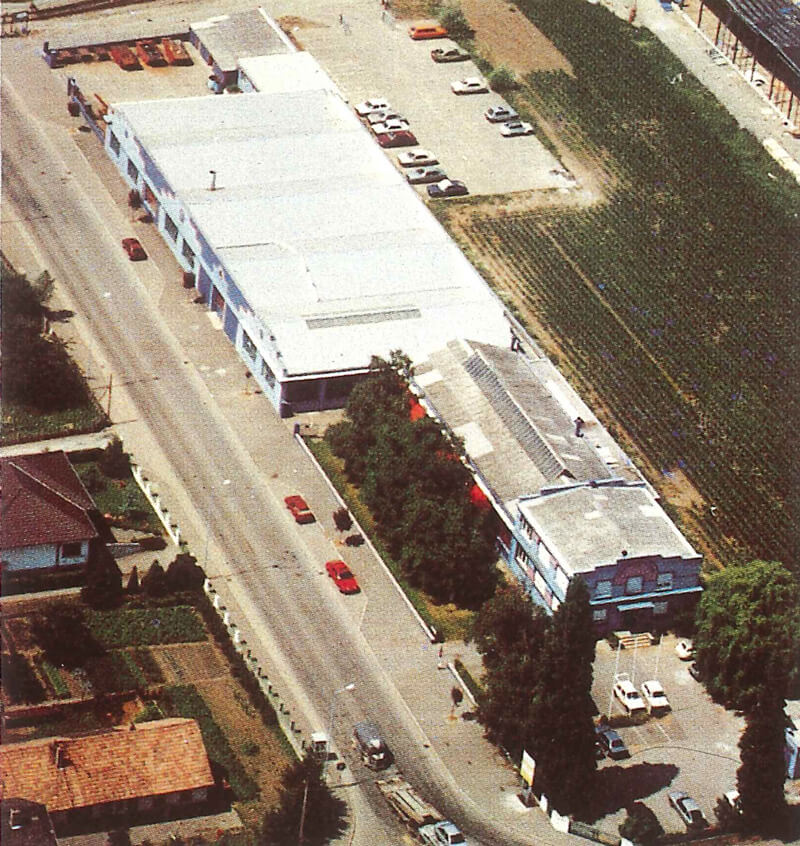
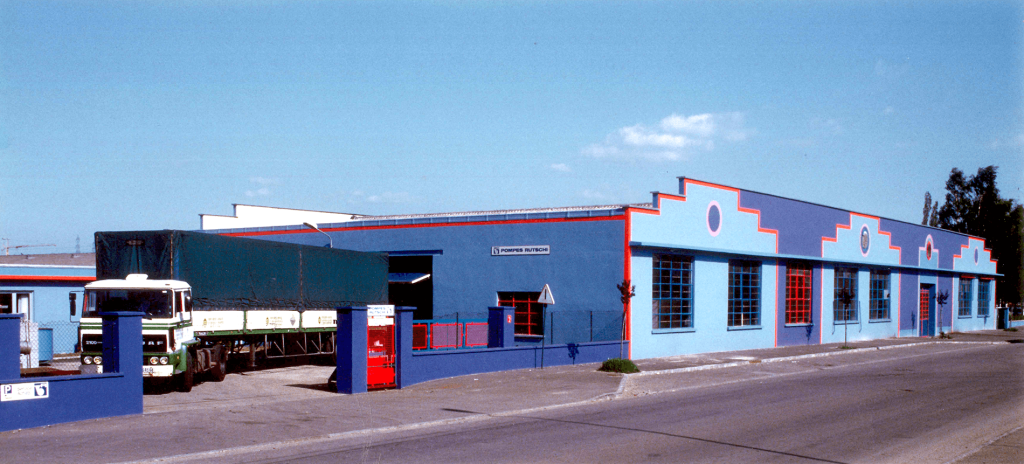
The company settled in Illzach, on the outskirts of Mulhouse, in premises originally occupied by the company FAMECA. The site included an administrative building and a manufacturing workshop.
This new factory was dedicated to the production of mechanically sealed pumps known as “Chemical Normalized Pumps”, while the historic Swiss facility remained focused on other pump types (canned motor pumps, multistage pumps, etc.).
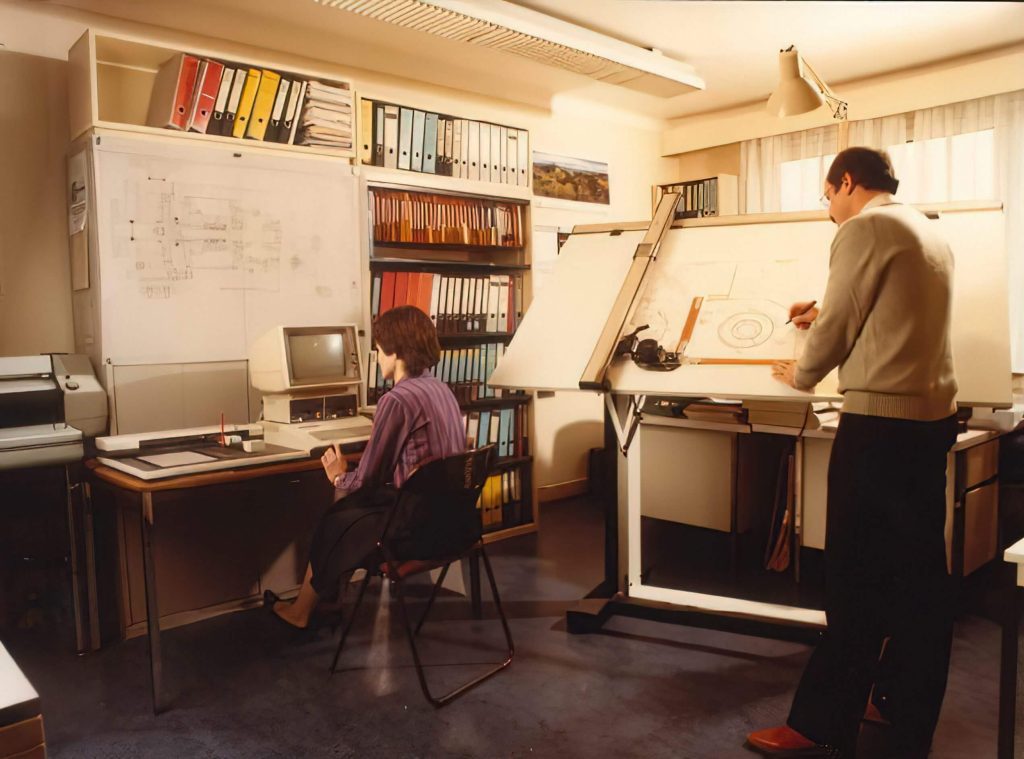
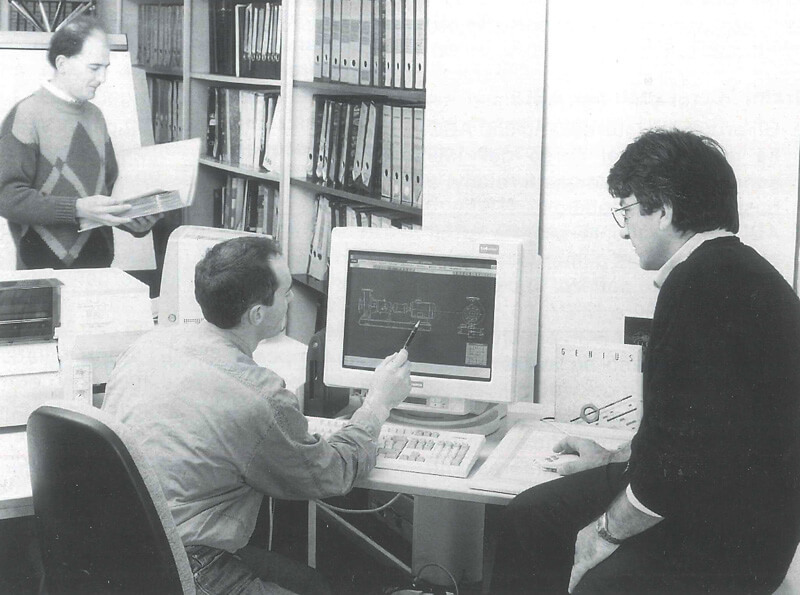
Resources were invested in the office facilities. The French subsidiary relied heavily on the support of its Swiss parent company, while gradually integrating new technologies: the engineering department adopted computer-aided drafting tools in 1994 and computer-aided design in 1999. In 2007, finite element analysis further expanded the department’s capabilities.
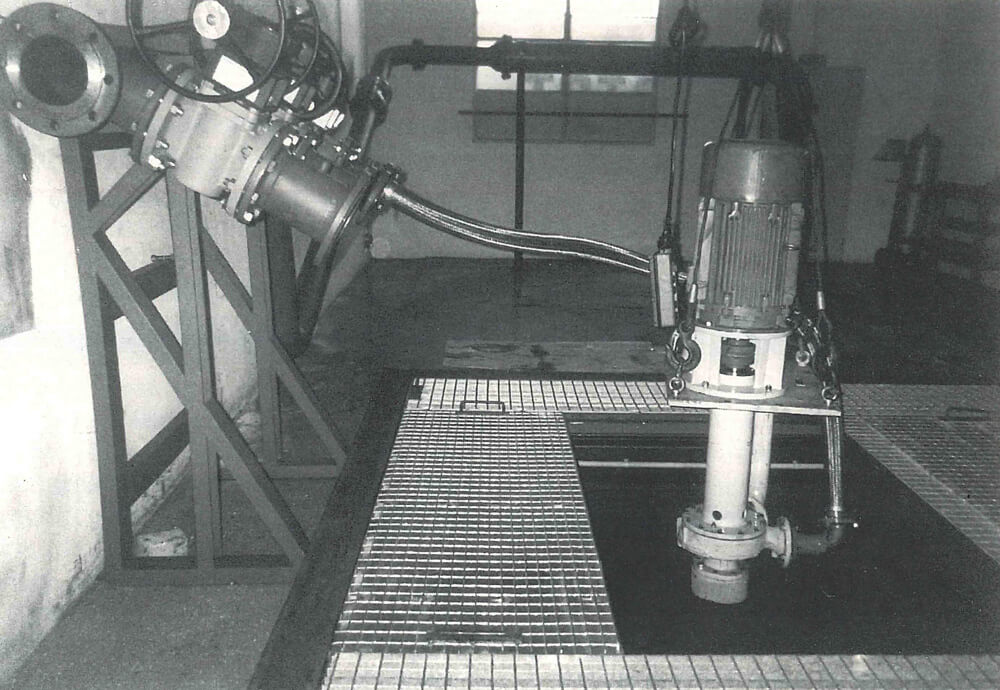
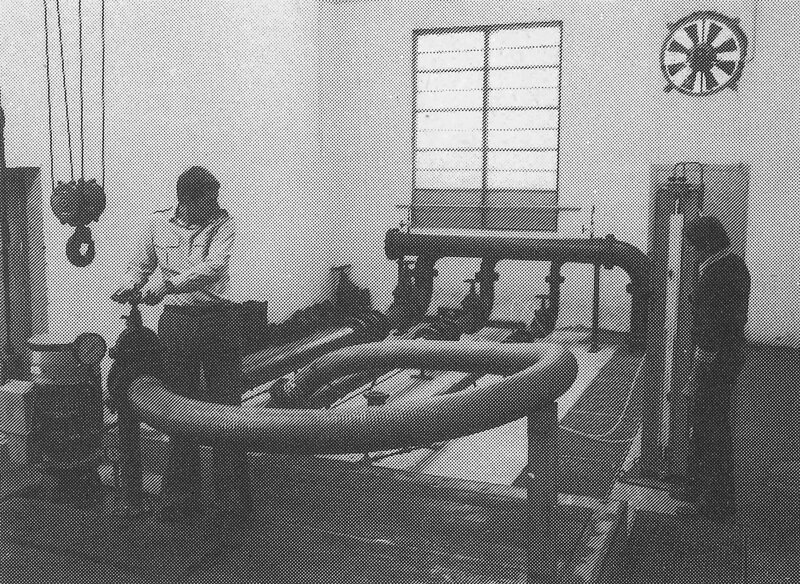
In 1977, after signing a contract with GE in Belfort for the supply of lubrication pumps, Rütschi invested in a highly unique test bench capable of testing pumps under real operating conditions, directly in hot oil at 70°C, whereas most pump manufacturers performed their tests using water. Nearly 30 years later, this installation is still being used for our customers.
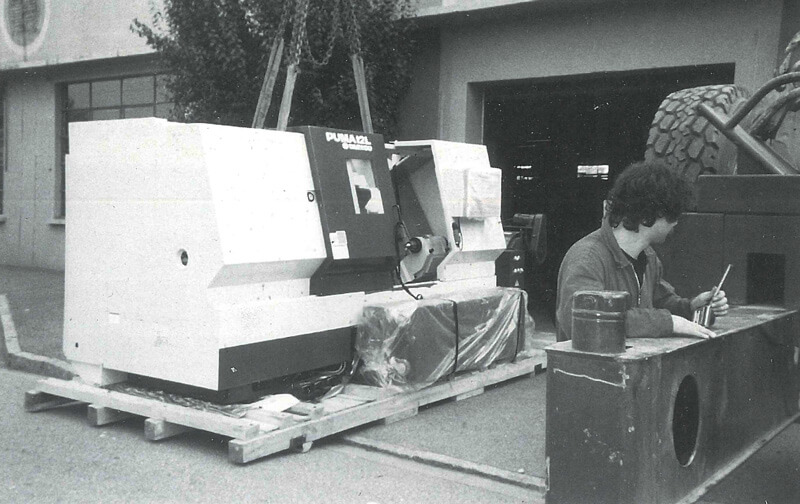
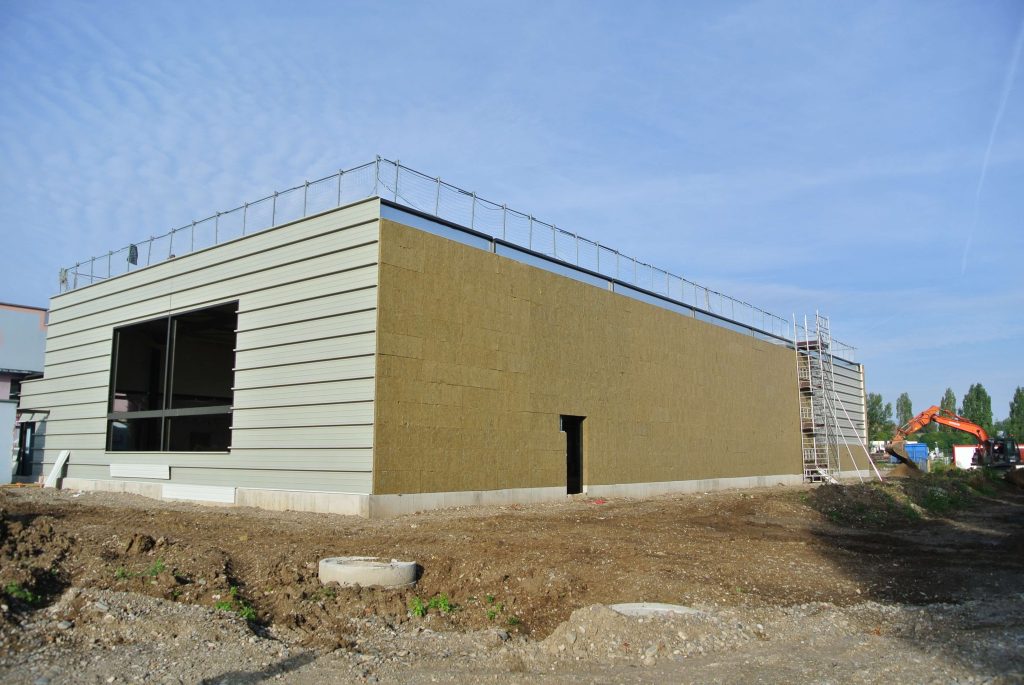
The workshop continued to modernize with advanced machine tools, including CNC machines from the 1990s onward. However, major transformations began in 2014: the production of canned motor pumps, previously carried out exclusively in Switzerland, would also be transferred to France. To support this increase in production, an extension of nearly 1,000 m² was built. The workshop was equipped with a welding area, a metrology room, and a clean assembly area for nuclear pumps.